


Our Vision
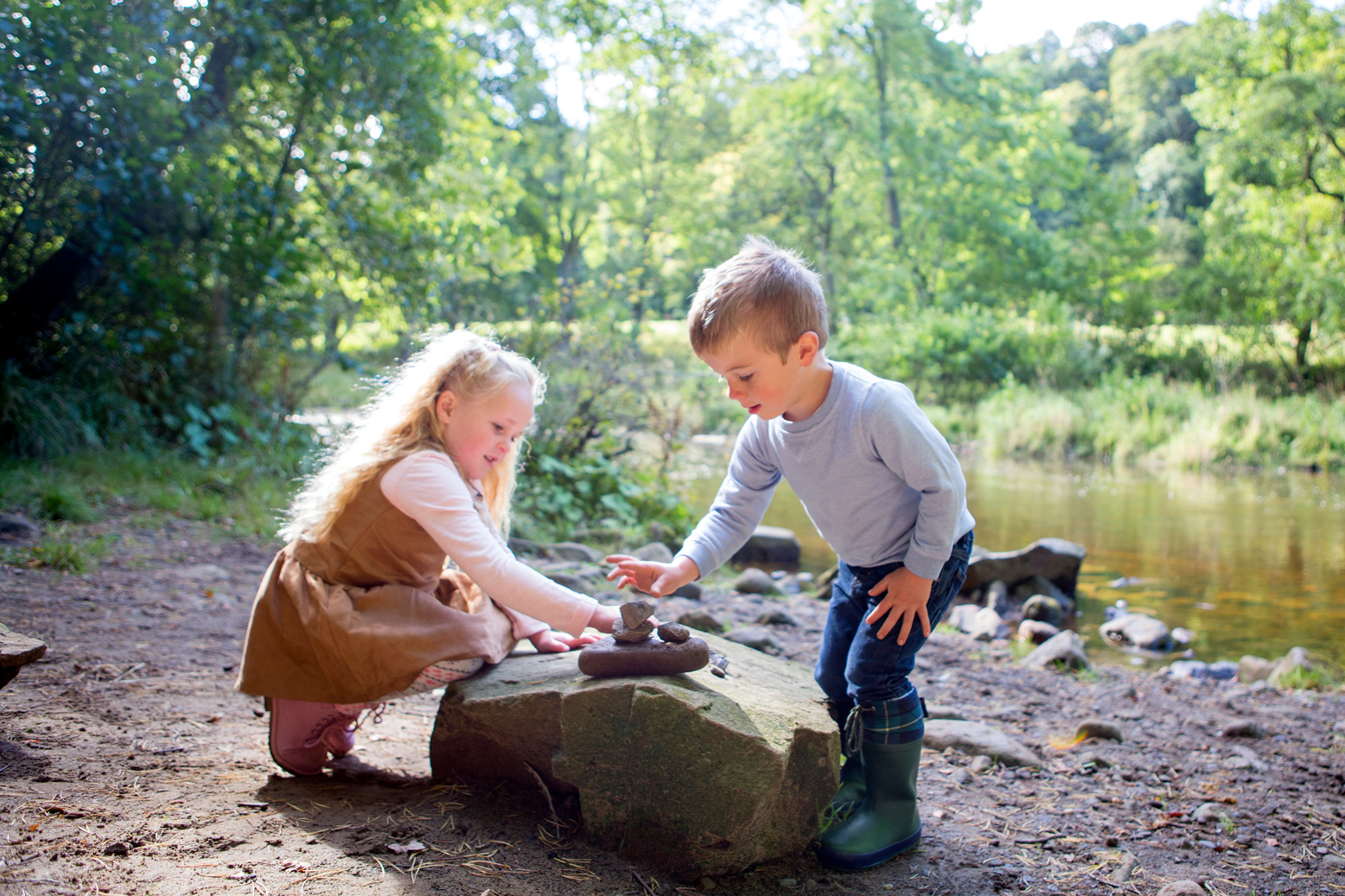
At Haven Holistic Education Centre our aim is to embrace the whole child mind, body and spirit. We are here to engage children and promote diversity and communication among learners who are working together, looking for meaning, asking what, how, and why, and developing as an inclusive community to co-construct knowledge. We make everyday events extraordinary. We give children the tools they need to build their perceptual skills, create knowledge, communicate, reflect, think again, self-regulate, and innovate.


Samantha Churchill

Our Staff


Shawna Sims
Hilarie McIntyre

Patricia McKinney

Sarah Guthrie
Our Curriculum

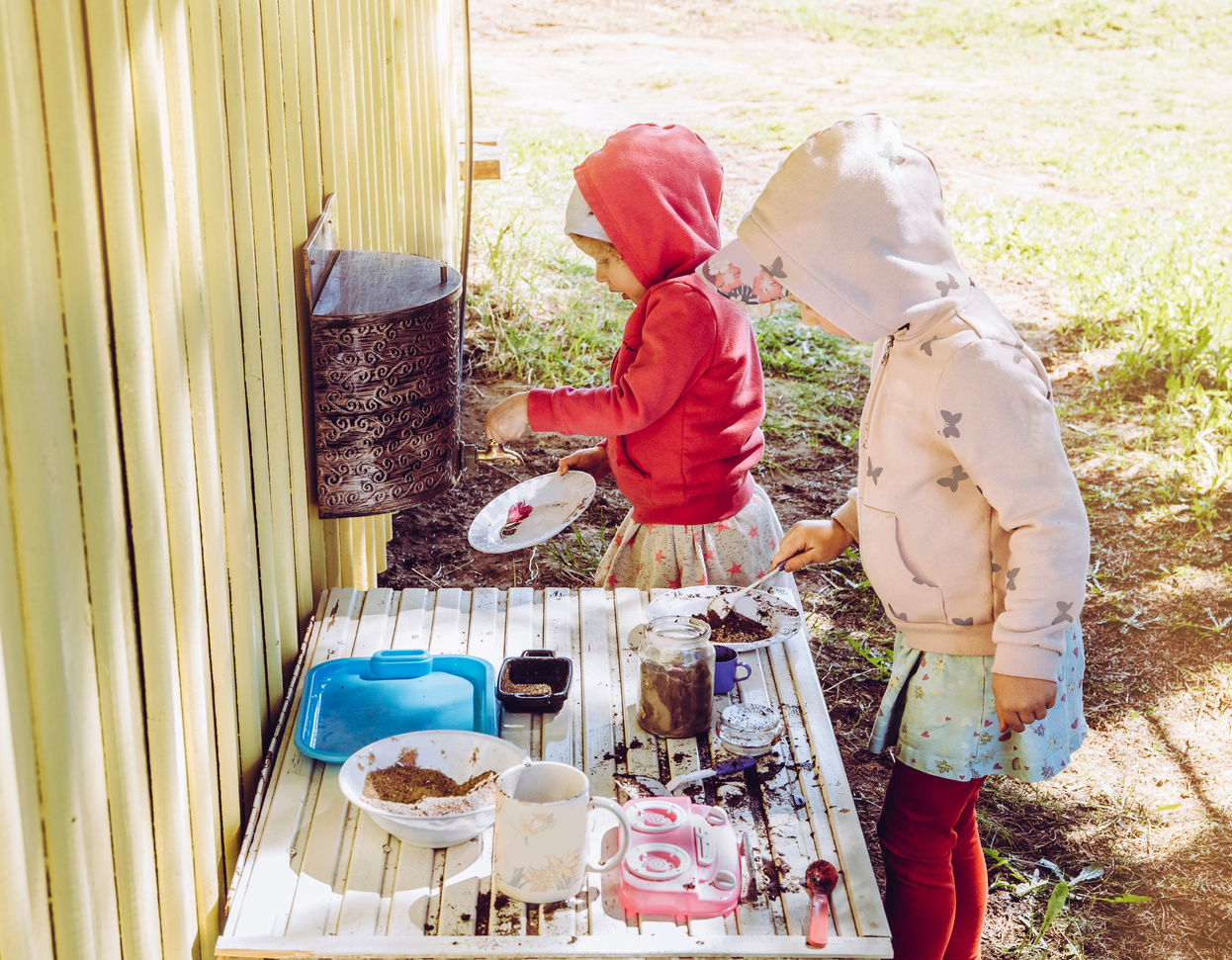
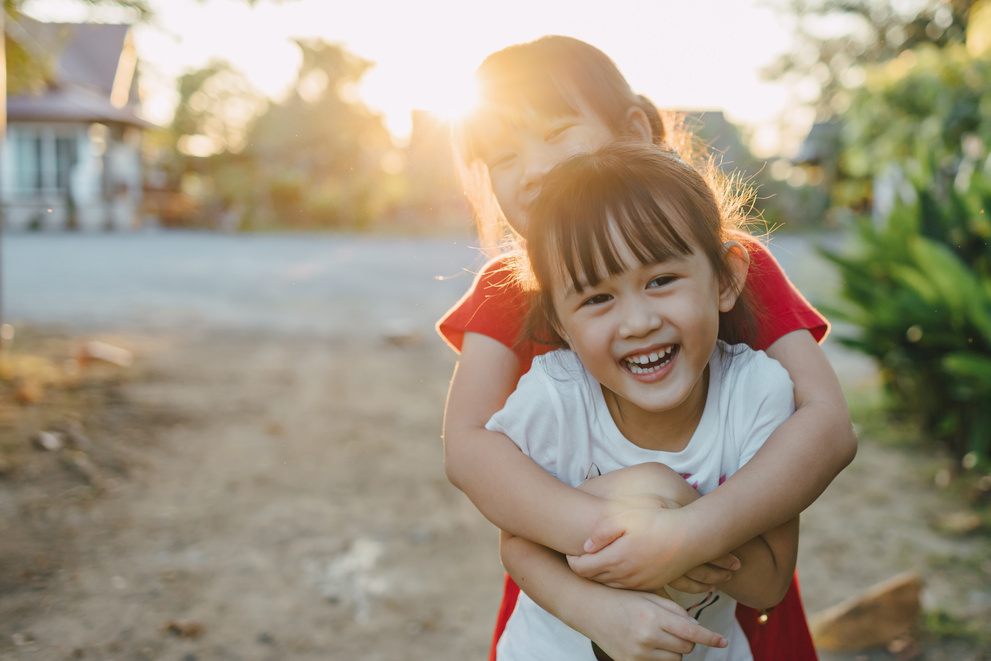
“Play is the answer to how anything new comes about.”
― Jean Piaget
Haven embraces the best parts of holistic education. Friedrich Froebel (1782-1852) was the person who invented the term ‘Kindergarten’ (literally: Children’s garden).
Froebel had several beliefs about children’s learning and development that align with ours.
- Play is the foundation of learning.
- Teachers should give children freedom to learn in self-directed ways.
- To educate children well, you need to pay attention to mental, physical, and spiritual health.
- Everything is interconnected, so learning cannot be compartmentalized.
- Self-regulation is important for children,
- Teachers see children as capable and competent.
- A learning environment rich in resources is important for learning.
Our Learning Environment
Our learning environment is fully created to welcome, provoke, and facilitate learning, as well as to promote communication, cooperation, and inquiry. The space, comprising all of the things in it, as well as the numerous learning tools and resources, is produced and arranged as the children's learning process evolves - it is constantly negotiated by and with the children. This fluid, inclusive, and dynamic social haven grows in part when children voice their thoughts and questions, as well as as ideas that capture their interest. Based on their observations and analysis (assessment for learning), educators anticipate and recognize the children's learning needs throughout the day and throughout time, which drives the joint construction of the environment.


Culturally Relevant and
Responsive Pedagogy
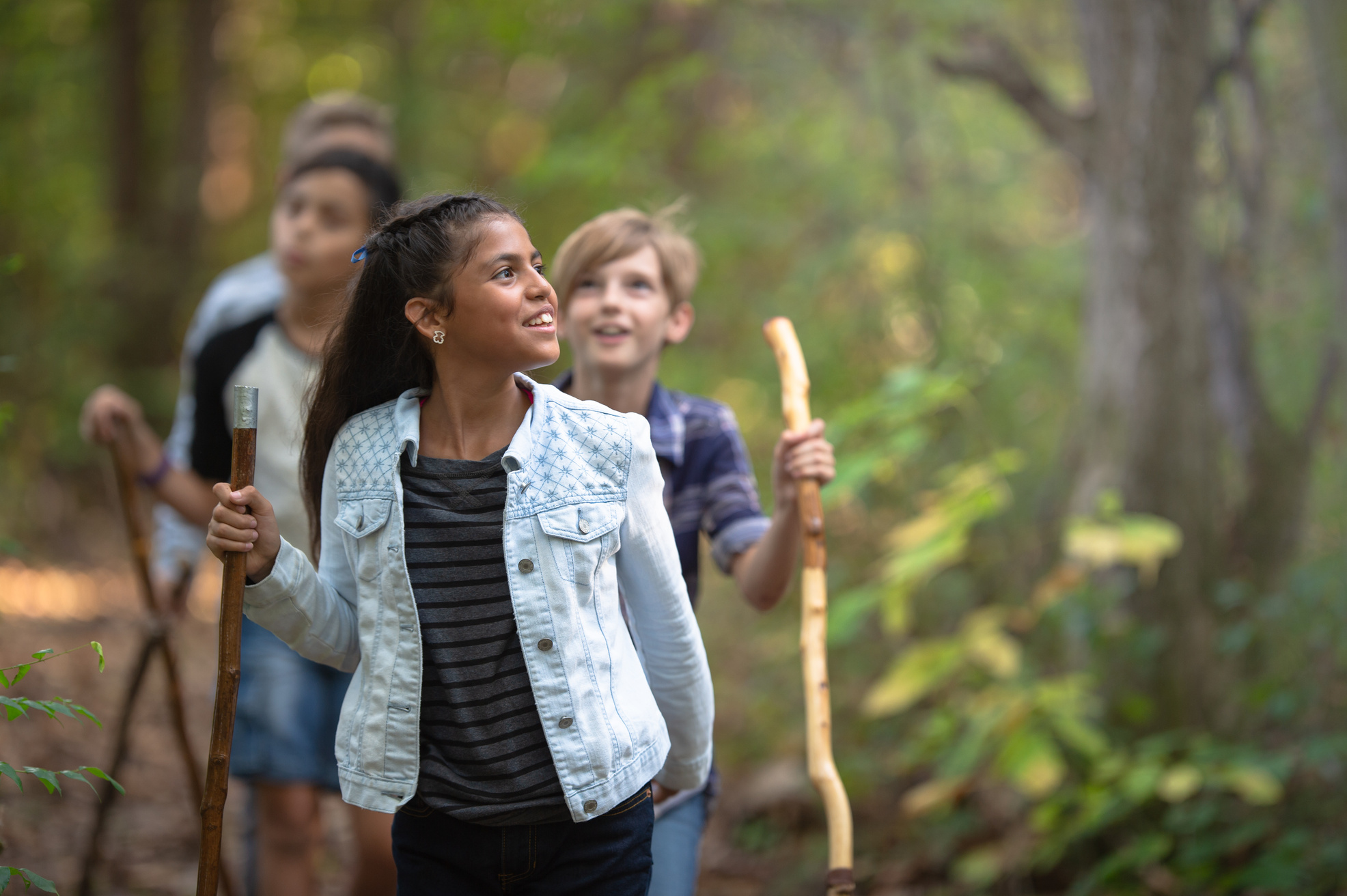
Haven Holistic Education Center believes that all children have the right to an education that is safe, affirming, inclusive and equitable. We welcome, respect, and value people of all races, ethnicity, gender, age, ability, and religion and are committed to treating all people with dignity and kindness.
Our program reflects and highlights the unique identities of all children in our care while providing a window to the world around them. All materials are carefully selected to highlight excellence, promote diversity, encourage inquiry and incorporate joy into daily exploration.
We work enthusiastically with our families and community partners to bring authentic experiences to our students that promote equity, diversity and inclusion so that they may have an expanded appreciation for the world around them.

Role of the Educator
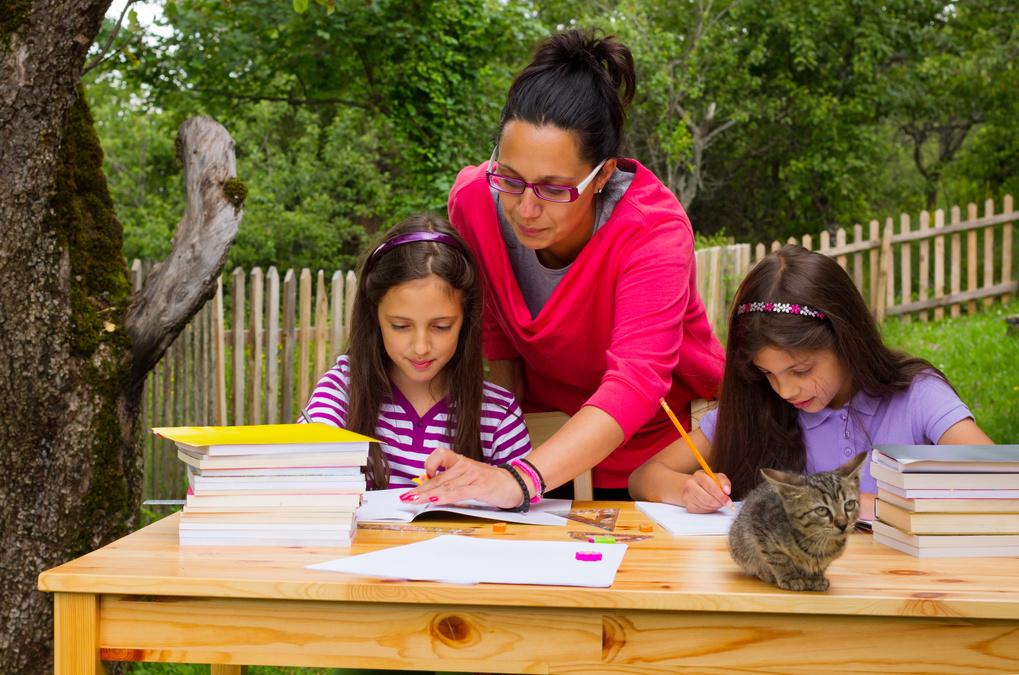
At Haven, we firmly believe in teaching the whole child—mind, body, and spirit. "Learning is most powerful when it is rooted in the heart" (Anderson et al., 2017).
We pride ourselves on providing children with a supportive, collaborative, inclusive and inquiry-based classroom.
Community Connection
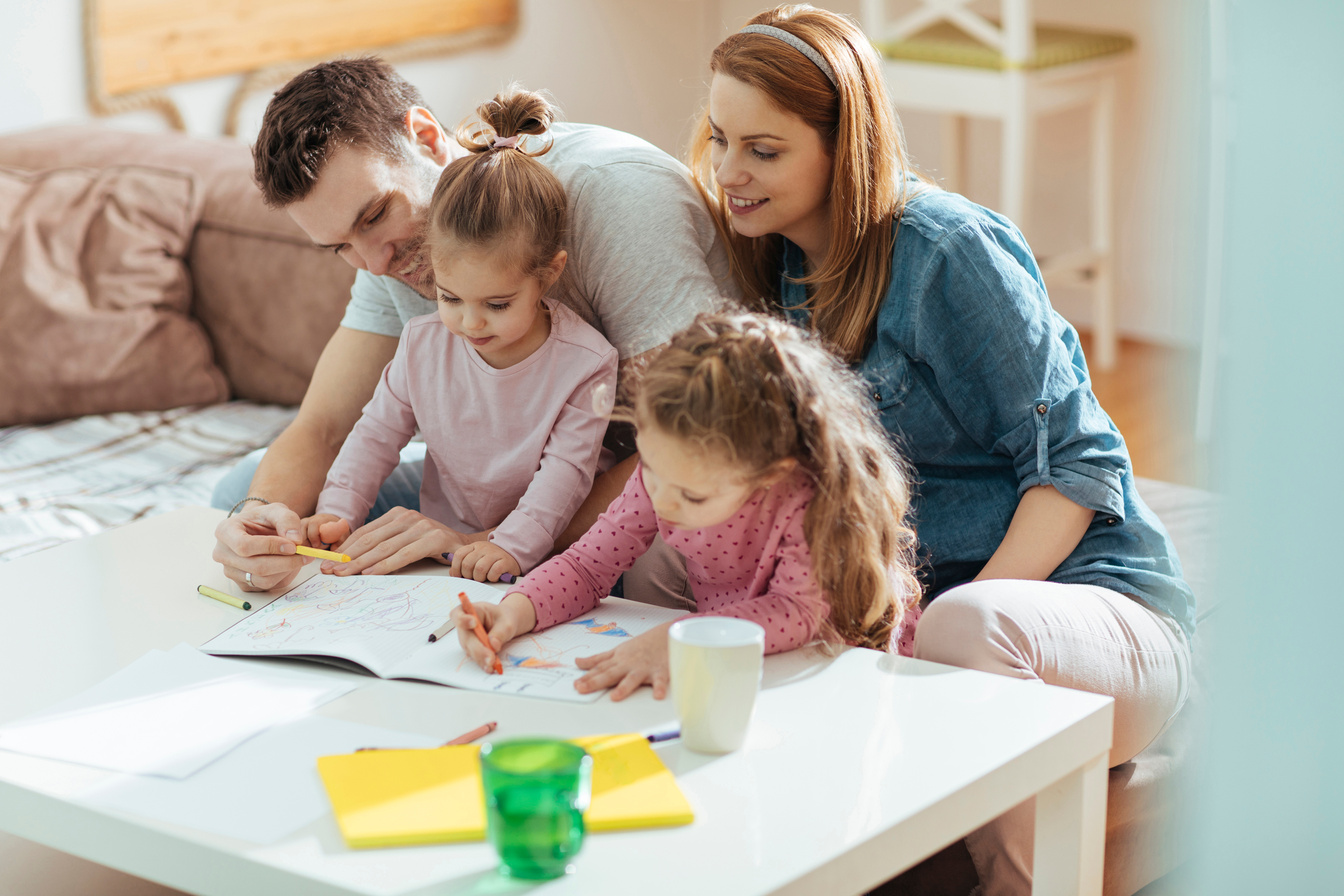
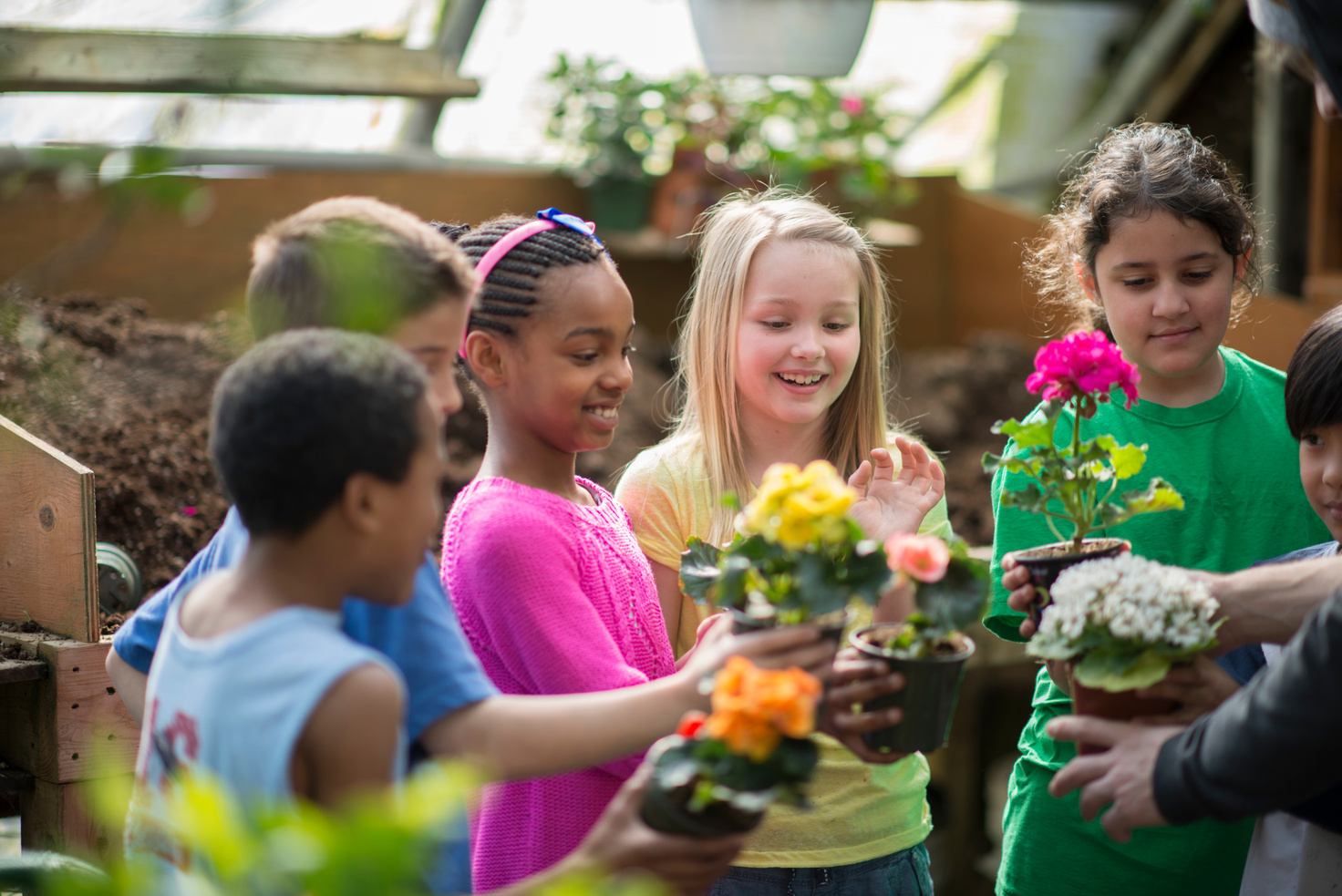
- Community and the family connection is very important to us at Haven. We have many ways for parents and caregivers to be involved.
- Parent council involves caregivers and gives them a voice in our centre.
- Open door policy: Caregivers are always welcome, and we encourage their involvement in their child's learning.
- Social nights allow families to connect with other families and staff.
- We have open communication throughout the day using communication Apps.
Image of the Child
We believe that supporting the image of the child takes many forms. We encourage children to explore and make mistakes. Allow them to co-create their learning space, offer materials representing their cultures, and engage with families often. (Mcauley, 2018)
Child Development Theories/Theorists
Haven's Vision and Curriculum align with with multiple theorists and their beliefs on Child Development.
- Vygotsky believed a child's learning ability can be guided and mediated by their social interactions. He also believed by Educator's scaffolding learning experiences a student is able to learn content they wouldn't have been able to process on their own.
- Maslow’s Hierarchy of Needs is a pyramid of needs which motivate people. Once all these needs are met and fulfilled people then feel safe and cared for. Here at Haven our number one priority is to ensure our students feel safe and their needs are met at all times.
- Piaget believed in providing new experiences for children to explore their world and develop schemas.
Child Development Across the Domains
Physical Health and Well-being
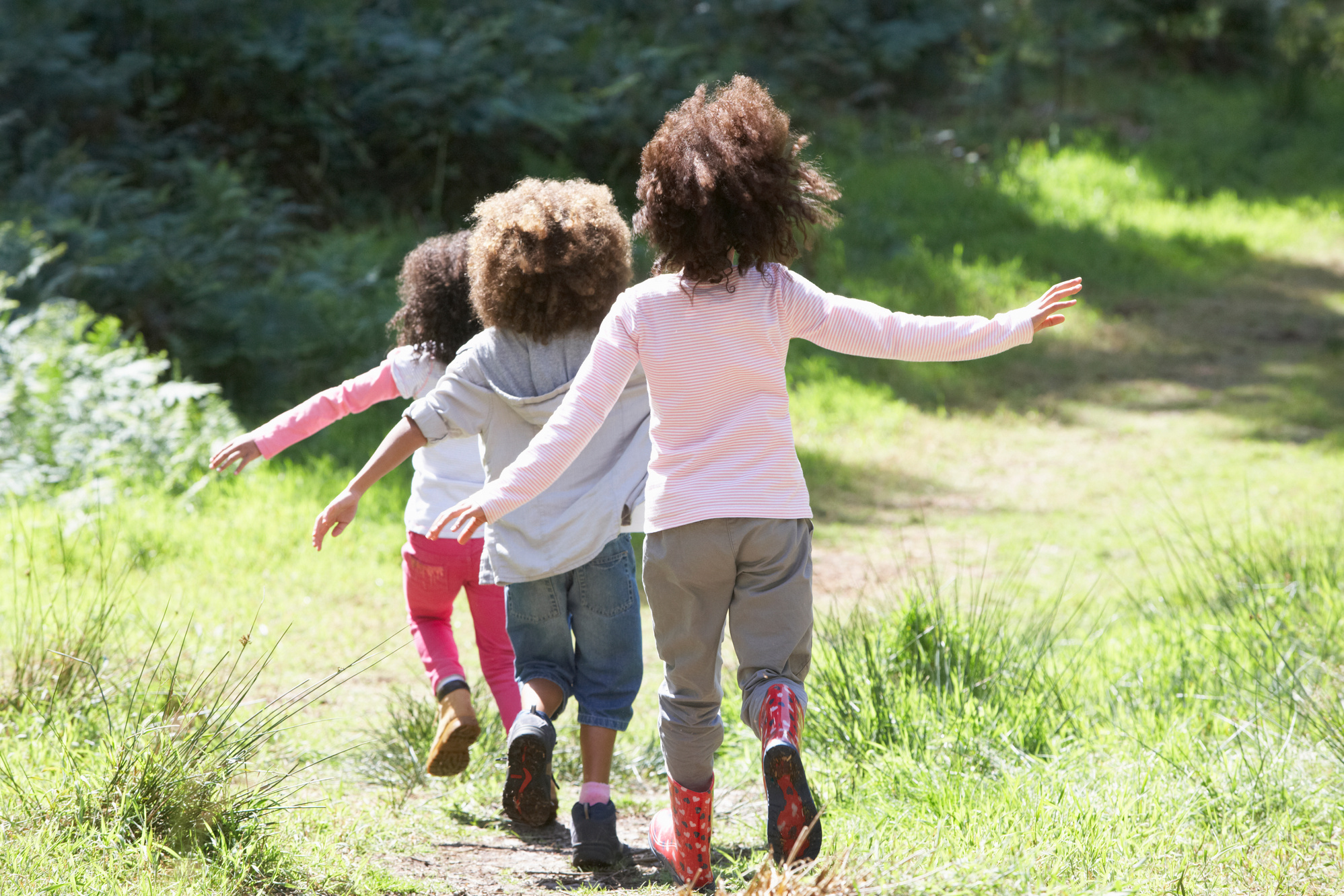
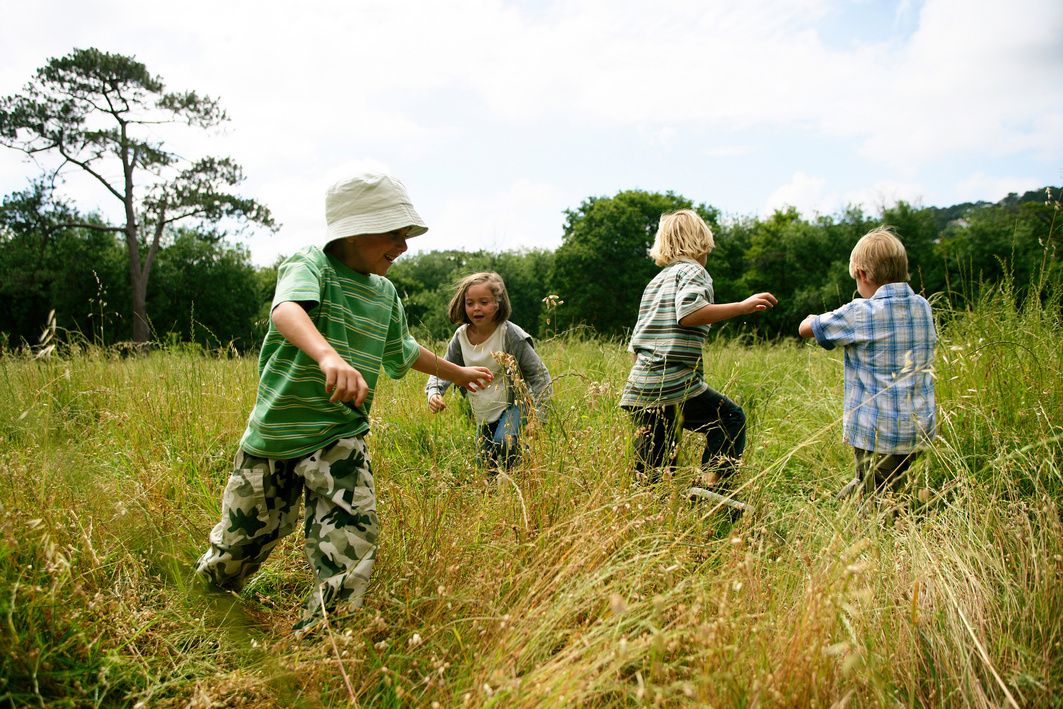
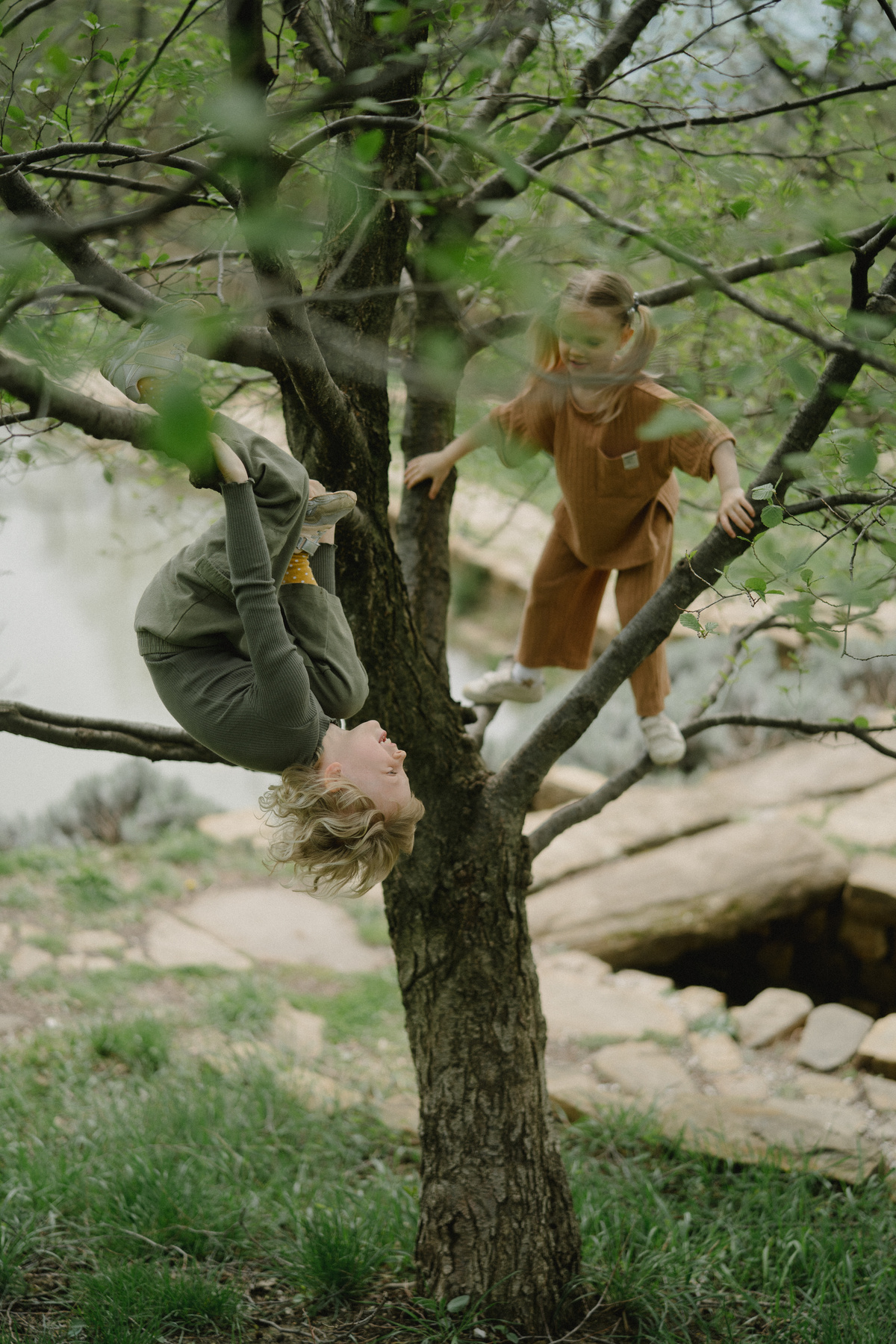
The outdoor space at Holistic Haven promotes healthy physical development of gross motor skills. Children are able to run, jump, balance, and climb within the safety of our play space. Opportunities for activity promote healthy well-being.
Social Competence
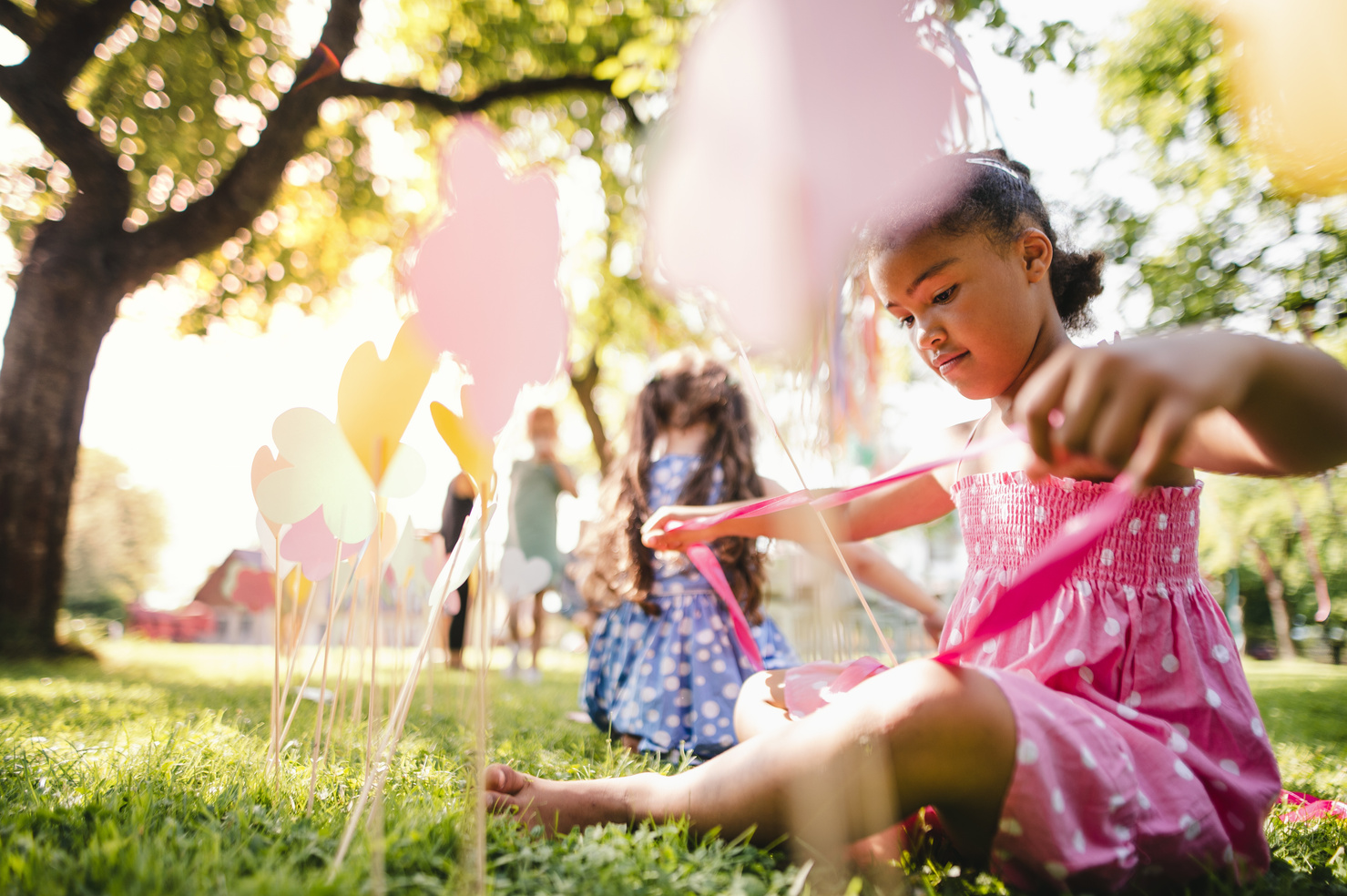
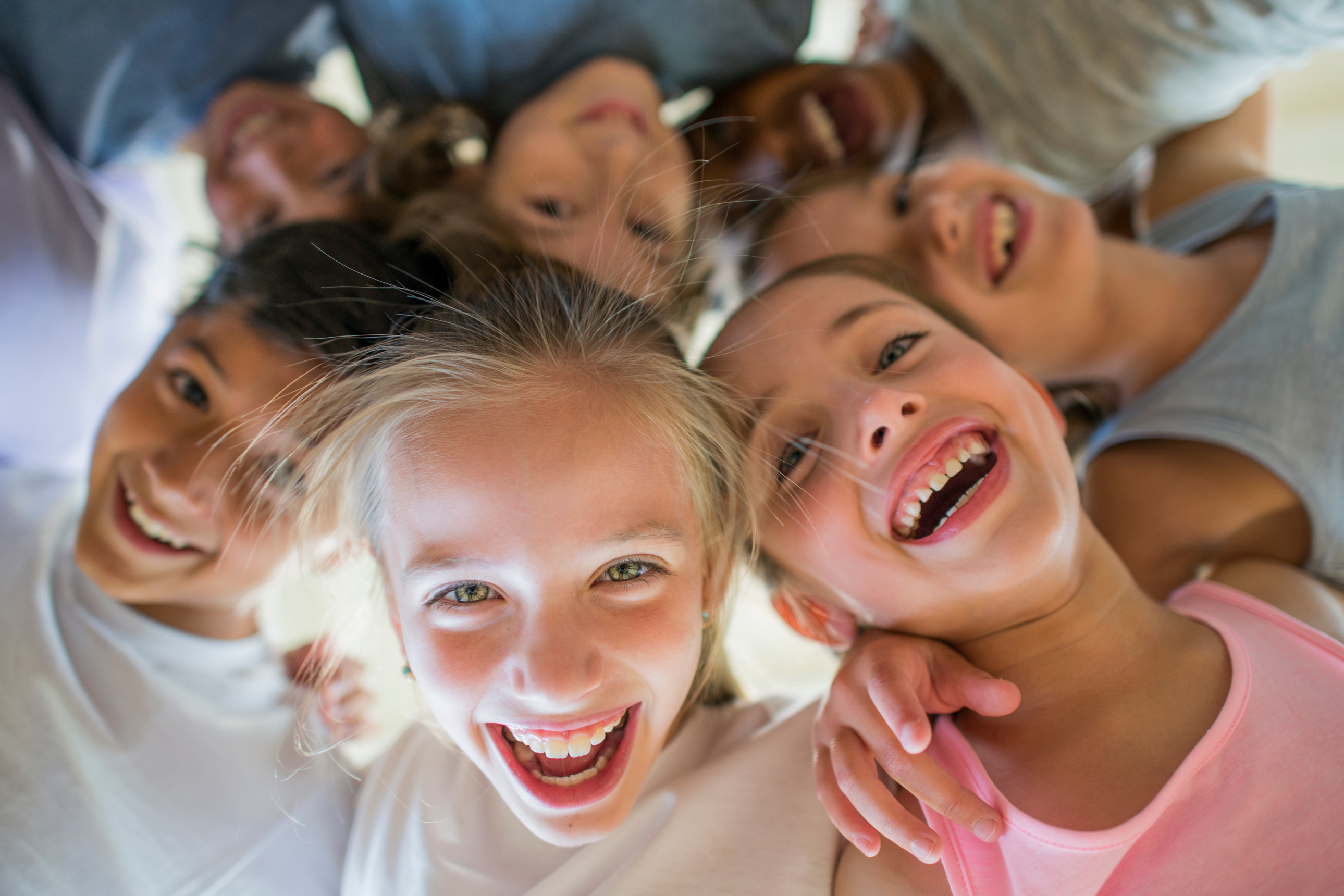
Social competence is a crucial part of building peer relationships for children. Haven Holistic fosters these relationships by providing opportunities for children to play and work together (The Early Development Instrument, 2016).
Emotional Maturity
At Haven Holistic, we pride ourselves on providing an environment of security, inclusion, respect, and competence where children can develop critical emotional skills (Best Start Panel on Early Learning, 2007).
Language and Cognitive Development
Haven Holistic provides opportunities for our children to construct knowledge, learn strategies and ways of thinking and reasoning that enable children to learn about themselves, others, and the world around them. These opportunities build children's language and cognitive skills (Best Start Panel on Early Learning, 2007).
Communication Skills
Children develop language and communication skills at Haven Holistic through songs, stories, and conversations with their peers and educators. Our goal is to increase children's vocabulary by engaging in play that includes language (Best Start Panel on Early Learning, 2007).
Parent Resources


Durham Region Resources
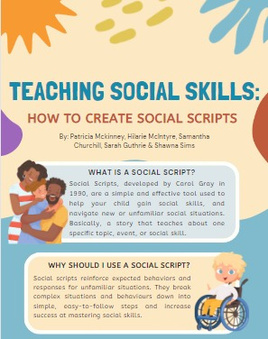
Social Scripts for Parents
Ontario Association of Children's Aid Society

Children's Mental Health Ontario

PBS Parent Resources
Brown-Jeffy, S., & Cooper, J. (2011). Toward a conceptual framework of culturally relevant pedagogy: An overview of the
conceptual and theoretical literature. Teacher Education Quarterly, 38(1), 65-84. https://www.jstor.org/stable/23479642
Cooper, A. (2011). Nature and the outdoor learning environment: The forgotten resource in early childhood education
International Journal of Early Childhood Environmental Education, 3(1), 85-97.
https://files.eric.ed.gov/fulltext/EJ1108430.pdf
Gay, G. (2018). Culturally Responsive Teaching: Theory, Research, Practice. Teachers College Press, Columbia University.
More, C., Sileo, N., Higgins, K., Tandy, R., & Tandy, M. (2012, February 17). The effects of social story interventions on preschool age
children with and without disabilities. Early Child Development and Care, 183(1), 1-16.
https://doi.org/10.1080/03004430.2011.651081
Martin, L., Sontag-Padilla, L., Cannon, J., Chandra, A., Auger, A., Kase, C., Kandrack, R., Ruder, T., Joyce, C., Diamond, R., & Spurlock,
K. L. (2014). SOCIAL AND EMOTIONAL DEVELOPMENT In Child-Care Settings. In Off to a Good Start: Social and Emotional
Development of Memphis’ Children (pp. 33–40). RAND Corporation. http://www.jstor.org/stable/10.7249/j.ctt1287mcv.7
Saracho, O. (2021). Theories of child development and their impact on early childhood education and care. Early Childhood
Education Journal, 51(2023), 15-30. https://doi.org/10.1007/s10643-021-01271-5
Field Research

References
Anderson, D., Chiarotto, & Comay J. (2017). Lighting the fire: The spirit of learning indigenous lens on branch 1. In Natural Curiosity, 2nd Edition. University of Toronto.
Best Start Expert Panel on Early Learning. (2007). Early learning for every child today: A framework for Ontario early childhood settings. Toronto: Ministry of Children and Youth
Services.
Cherry, K. (2023). 7 main developmental theories: Child development theories of Freud, Erikson, and more. Verywellmind.
https://www.verywellmind.com/child-development-theories-2795068
Durham Region. (2023). Data in the early years. Durham Region. https://www.durham.ca/en/living-here/data-in-the-early-years.aspx
Early Development Instrument. (2016, March 1). The EDI in the early years [Video]. YouTube. https://www.youtube.com/watch?v=0Azu7tbSGes
Euade, T. (2018). Addressing the needs of the whole child. In J. Miller, K. Nigh, M. Binder, B. Novak, & S. Crowell (Eds.), International Handbook of Holistic Education (pp. 61-69), London,
UK: Routledge.
Oakley, L. (2004). Cognitive development: Piaget's theory of cognitive development. Routledge Taylor & Francis Group.
https://learn.ontariotechu.ca/courses/20002/files/2824911?wrap=1
Oakley, L. (2004). Cognitive development: Vygotsky's theory of cognitive development. Routledge Taylor & Francis Group.
https://learn.ontariotechu.ca/courses/20002/files/2824912?wrap=1
Ontario Ministry of Education. (2013). Culturally responsive pedagogy: Towards equity and inclusivity in Ontario schools. Toronto, ON: Capacity Building Series.
https://learn.ontariotechu.ca/courses/20002/files/2797233?wrap=1
Mcauley, S. (2018). Culturally relevant and responsive pedagogy in the early years: It's never too early. ETFO Voice.
https://etfovoice.ca/feature/culturally-relevant-and-responsive-pedagogy-early-years-its-never-too-early
Pound, Linda. How Children Learn. from Montessori to Vygotsky- Educational Theories and Approaches Made Easy, Essential Resources, Invercargill, N.Z., 2011, pp. 17–20.
Price, C., & Steed, E. (2016). Culturally responsive strategies to support young children with challenging behaviour. Young Children, 71(5).
https://www.naeyc.org/resources/pubs/yc/nov2016/culturally-responsive-strategies